Aerial work platforms (AWPs) are used every day in construction, maintenance, warehouses, airports, utilities, and industrial plants. Whether it is a scissor lift or an articulated boom lift, every machine depends on reliable hydraulic systems to raise and lower workers safely.
The hydraulic cylinder is the main actuator inside these machines. A poor cylinder design can reduce lifting performance, shorten service life, or increase maintenance costs.
This guide explains how to choose the right AWP cylinders, what safety features matter most, and what buyers should ask an aerial work platform cylinder manufacturer before placing an order.
How do you select the right hydraulic cylinders for scissor lifts and boom lifts?
Choose hydraulic cylinders based on:
A reliable manufacturer should also provide application engineering, testing reports, and customized cylinder solutions.
To ensure the safety of Aerial Work Platforms, hydraulic cylinders should focus on three technical parameters:
These features improve platform stability, reduce leakage, and increase service life under demanding job site conditions.
Modern Aerial Work Platforms use hydraulic cylinders to convert hydraulic pressure into lifting motion.
Common applications include:
Because these machines lift workers several meters above the ground, every cylinder must provide smooth movement, stable positioning, and dependable holding performance.
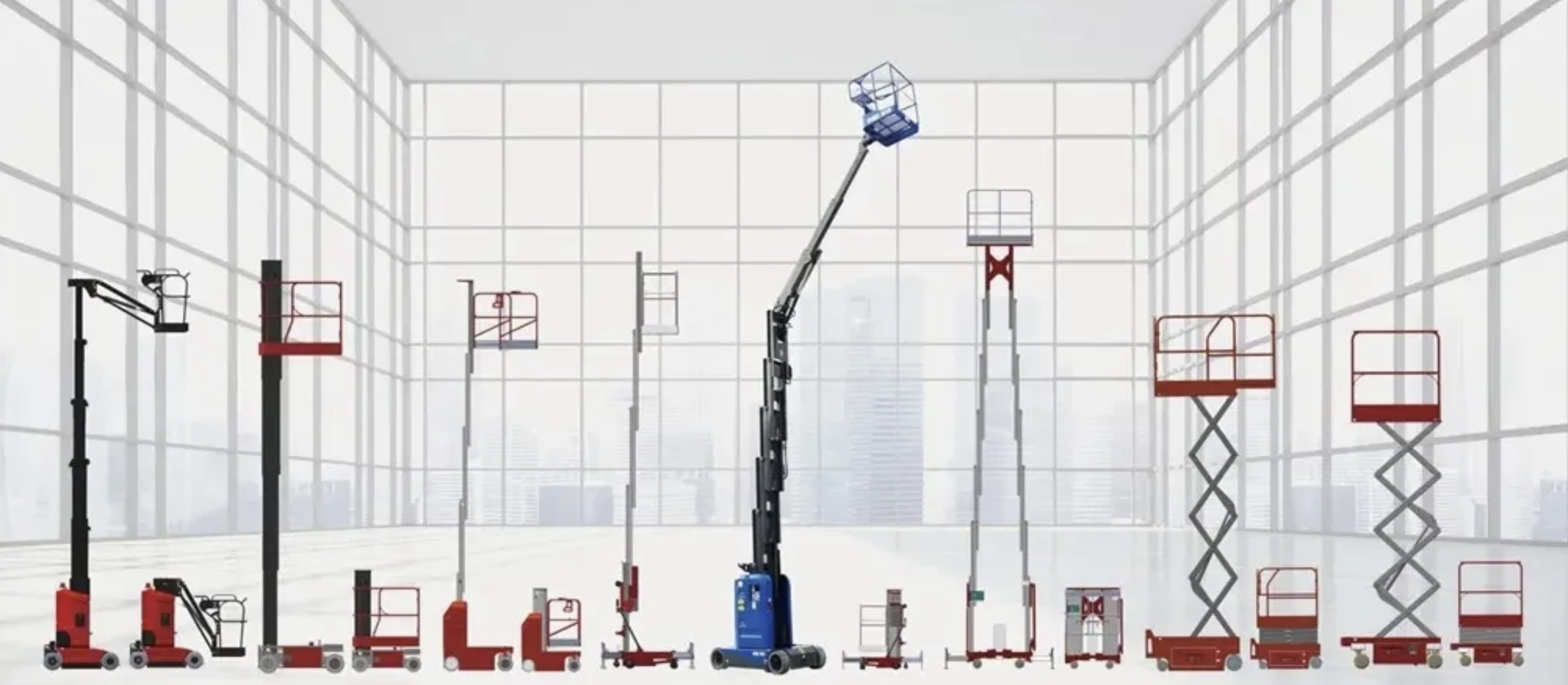
A scissor lift hydraulic cylinder design focuses on producing high lifting force within a compact installation space.
Typical characteristics include:
Many manufacturers use welded cylinders because they are compact, strong, and suitable for mobile equipment.
Boom lifts experience different loads.
The cylinder often works at changing angles while supporting large bending forces.
Boom lift cylinders usually require:
Different applications require different cylinder structures.
Most AWPs use double acting cylinders because hydraulic pressure controls both extension and retraction.
Advantages include:
Many heavy-duty lifts also use double acting cylinders telescopic cylinders when a long stroke is needed but installation space is limited.
Some lifting applications still use single acting hydraulic cylinders.
They are suitable when:
However, most modern boom lifts prefer double-acting designs for better control.
Double acting cylinders telescopic designs provide long extension lengths while remaining compact when retracted.
Typical applications include:
Many industrial machines use a tie rod cylinder, where external tie rods hold the cylinder together.
Advantages:
However, mobile lifting equipment usually prefers welded cylinders because they offer:
When selecting the right hydraulic cylinder, engineers calculate:
Choosing an oversized cylinder increases cost and weight.
Choosing an undersized cylinder reduces lifting capacity and safety.
The piston rod experiences compression, tension, and side loading.
For AWP applications, look for:
Large boom lifts often use 42CrMo rods because they provide higher yield strength than standard carbon steel.
The performance of hydraulic fluid directly affects cylinder life.
A suitable hydraulic oil should provide:
Regular oil analysis also helps reduce seal wear and internal corrosion.
Worker safety always comes first.
Modern lift hydraulic cylinders should include multiple protection measures.
Recommended safety features include:
These features reduce the risk of sudden platform movement if hydraulic pressure changes unexpectedly.
Boom lift safety valves lock hydraulic oil inside the cylinder if a hose fails or pressure suddenly drops.
Benefits include:
Most premium AWP cylinders integrate these valves directly into the cylinder assembly.
Material selection determines wear resistance and durability.
Typical materials include:
| Component | Recommended Material |
|---|---|
| Cylinder tube | High-strength steel |
| Piston rod | 42CrMo |
| Piston | Alloy steel |
| Seals | Polyurethane + NBR |
| Bushings | Bronze or composite bearing |
Proper surface treatment also improves corrosion resistance for outdoor equipment.
Many customers ask:
Can hydraulic cylinders be repaired?
Yes.
Most hydraulic cylinders be repaired if the damage is limited to:
Replacement is recommended when:
Regular inspection helps identify problems before major repairs are needed.
Good maintenance extends cylinder life.
Recommended practices include:
These simple steps help lift hydraulic cylinders operate reliably over thousands of cycles.
Not every cylinder supplier understands AWP applications.
An experienced aerial work platform cylinder manufacturer should offer:
They should also provide a full range of hydraulic cylinders for:
A reliable aerial work platform cylinder manufacturer should combine proven OEM experience, engineering expertise, strict quality control, and long-term production stability. These capabilities help equipment manufacturers reduce development time, maintain consistent product quality, and ensure safe operation in demanding working environments.
Reliable after-sales service is equally important.
Choose suppliers that provide:
Some manufacturers also keep common cylinder models stock and ready, reducing machine downtime.
Hydraulic cylinders used in Aerial Work Platforms should include holding valves, high-strength piston rods, reliable sealing systems, pressure testing, and designs that prevent uncontrolled lowering. They should also comply with the safety and quality requirements specified by the target market and equipment manufacturer.
Most scissor lifts use double acting cylinders with a compact welded design. They provide stable lifting, precise positioning, and reliable lowering control.
Boom lift safety valves prevent sudden platform descent if hydraulic pressure is lost because of hose failure or other system problems.
A tie rod cylinder is easier to repair and commonly used in industrial machinery. Welded cylinders are more compact and better suited for mobile equipment such as aerial work platforms.
A visual inspection should be performed before operation, with scheduled maintenance based on equipment usage. Regular inspection helps detect seal wear, rod damage, hydraulic leaks, and contamination before failures occur.
Yes. Many cylinders can be repaired by replacing seals, bearings, or damaged components. Complete replacement is recommended if the rod, tube, or welded structure has major damage.
Choosing the right hydraulic cylinder means more than matching bore size and stroke. The best solution combines proper engineering, durable materials, dependable safety features, quality manufacturing, and responsive after-sales support.
Whether you need cylinders for a compact scissor lift or a high-reach boom lift, selecting a trusted aerial work platform cylinder manufacturer helps improve equipment reliability, reduce maintenance costs, and extend service life.
If you are looking for customized AWP cylinders, a complete range of hydraulic cylinders, OEM manufacturing, or replacement spare parts, contact us today. Our engineering team can help you choose the right cylinder solution for your application.