
Free cookie consent management tool by TermsFeed
banner
news & blog
Latest news about Huanfeng
Hydraulic Cylinder Bore vs Stroke Explained
Author: Release time:2026.02.05

Understanding hydraulic cylinder bore vs stroke is essential for engineers, buyers, and equipment designers. Bore and stroke directly affect force output, speed, and overall cylinder performance in hydraulic systems.

This guide explains the differences between cylinder bore, stroke lengths, and how to measure a hydraulic cylinder step by step.
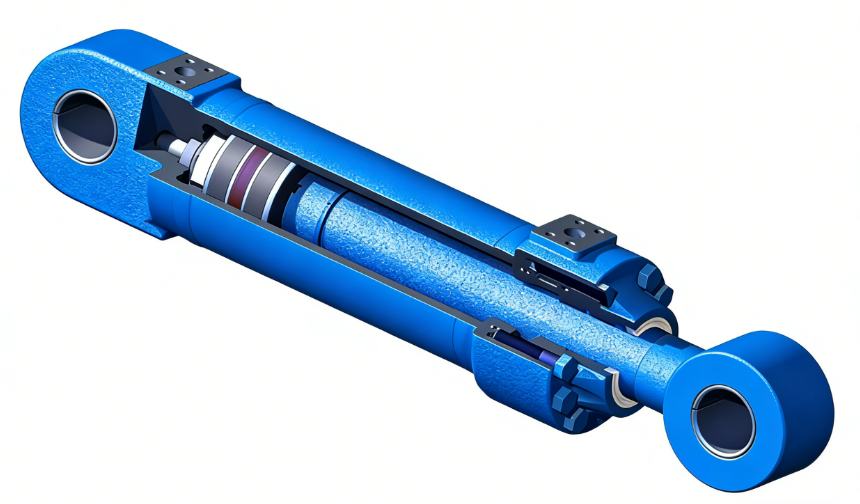

Hydraulic Cylinder Bore


What Is a Hydraulic Cylinder Bore?

The cylinder bore refers to the diameter of the cylinder inside the cylinder barrel. It determines how much force a cylinder can generate.

Bore Diameter Definition

  • Bore diameter = internal diameter of the cylinder barrel
  • Larger bore = more hydraulic fluid area
  • More area = higher force output

Bore size is one of the most important parameters when selecting types of hydraulic cylinders.
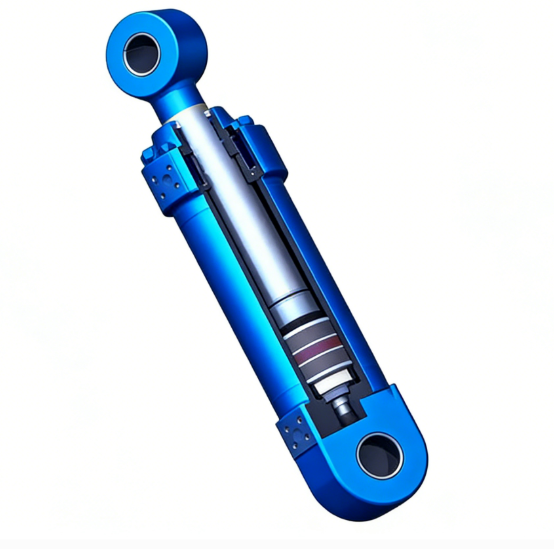

Hydraulic Cylinder Bore


What Is Hydraulic Cylinder Stroke?

Cylinder stroke is the distance the piston travels from the retracted position to the fully extended or extended position.

Stroke Length Definition

  • Stroke length = piston travel distance
  • Longer stroke = longer movement range
  • Shorter stroke = compact design

Stroke length determines how far a machine component can move.


Bore vs Stroke: Key Differences


ParameterBoreStroke
MeaningDiameter of the cylinderTravel distance of the piston
AffectsForce outputMotion distance
MeasurementInside barrel diameterPiston travel length
Common Unitsmm or inchesmm or inches

Both bore and stroke are fundamental in hydraulic systems design.


How Bore Diameter Affects Hydraulic Cylinder Performance

The bore diameter affects the force produced by a cylinder.

Force Formula

Force = Pressure × Bore Area

  • Larger bore → higher pushing and pulling force
  • Smaller bore → faster movement but less force

Bore size is especially important in double acting cylinder applications where both push and pull forces matter.


How Stroke Length Affects Cylinder Operation

Stroke lengths determine how far the piston rod moves.

Stroke Impact on Performance

  • Long stroke → large movement range
  • Short stroke → compact equipment design
  • Long stroke cylinders are common in cranes and lifting equipment

In single acting cylinders, stroke is usually used only for extension. In double acting cylinders, stroke applies to both extension and retraction.


Extended Length vs Stroke

Many buyers confuse extended length with stroke.

Extended Length Explained

  • Extended length = total cylinder length when fully extended
  • Stroke = piston travel distance only

Extended length includes:

  • Cylinder barrel
  • Piston rod
  • Mounting components


Common Types of Hydraulic Cylinders and Bore/Stroke Design

Tie Rod Cylinders

Tie rod cylinders use threaded steel rods to hold the barrel and end caps together. They are widely used in industrial machinery.

Advantages:

  • Easy maintenance
  • Modular design
  • Flexible bore and stroke options


Single Acting Cylinders

  • Pressure applied in one direction
  • Return by gravity or spring
  • Common in lifting and dumping applications


Double Acting Cylinders

  • Pressure applied for extend and retract
  • Used in heavy equipment and automation systems
  • Bore and stroke selection affects both push and pull forces


How to Measure a Hydraulic Cylinder (Step by Step)

To measure a hydraulic cylinder, follow this step by step method:

Step 1: Measure Bore Diameter

  • Remove end cap or use calipers
  • Measure inside the cylinder barrel

Step 2: Measure Rod Diameter

  • Measure the piston rod diameter with calipers

Step 3: Measure Stroke Length

  • Measure rod travel from retracted to fully extended position

Step 4: Measure Extended Length

  • Measure the total length of the cylinder when fully extended

These measurements help identify replacement cylinders or custom designs.


Rod Diameter and Its Relationship to Bore and Stroke

The rod diameter influences strength and buckling resistance.

Rod Diameter Considerations

  • Larger rod diameter = higher strength
  • Longer stroke requires larger rod to prevent bending
  • Rod size affects pull force in double acting cylinders


How Hydraulic Fluid Works with Bore and Stroke

Hydraulic fluid fills the cylinder chambers and transfers pressure to the piston.

Key Points

  • Bore determines fluid volume needed
  • Stroke determines fluid displacement
  • Pump flow rate affects cylinder speed

Correct bore and stroke selection improves efficiency in hydraulic systems.


Applications of Bore and Stroke in Hydraulic Cylinders

Hydraulic cylinder bore and stroke are used in:

  • Construction machinery (excavators, loaders, cranes)
  • Agricultural equipment (tractors, harvesters)
  • Dump trucks and lifting platforms
  • Industrial presses and automation systems

Different industries require different bore and stroke combinations.


FAQs About Hydraulic Cylinder Bore and Stroke

What is the difference between cylinder bore and stroke?

Cylinder bore is the internal diameter of the cylinder barrel, while stroke is the distance the piston travels from retracted to extended position.


How do I measure a hydraulic cylinder bore?

Measure the inside diameter of the cylinder barrel using calipers or bore gauges.


What is extended length in a hydraulic cylinder?

Extended length is the total length of the cylinder when fully extended, including barrel, rod, and mounting parts.


Does a larger bore always mean more force?

Yes, a larger bore provides more piston area, which increases force at the same hydraulic pressure.


Why is rod diameter important?

Rod diameter affects cylinder strength and resistance to bending, especially in long stroke applications.


Can bore and stroke be customized?

Yes, many manufacturers offer custom bore and stroke combinations for specific applications.


Conclusion

Hydraulic cylinder bore and stroke determine force output, movement range, and overall system performance. Understanding bore diameter, stroke lengths, rod size, and extended length helps buyers select the right cylinder for their application.


Submit feedback
code