
Hydraulic cylinders sit at the heart of modern machinery. From lifting tons of soil to positioning crane booms with millimeter accuracy, these components convert hydraulic pressure into linear force that allows machines to lift, push, and pull safely and efficiently. This guide explains how hydraulic cylinders work, the main hydraulic cylinder types, applications across heavy machinery, maintenance best practices, and how to choose reliable hydraulic cylinder manufacturers.
A hydraulic cylinder is a mechanical actuator that converts fluid pressure into straight-line motion. Inside the cylinder barrel, a piston moves back and forth as hydraulic oil flows through the chamber, generating powerful motion under controlled pressure.
Quick definition (featured snippet style):
A hydraulic cylinder is a device that converts hydraulic pressure into linear motion and linear force, allowing machines to lift, push, pull, and hold heavy loads.
Hydraulic systems rely on incompressible fluid to transmit power. When pressurized oil enters the cylinder:
This process delivers precise control, smooth motion, and high power density — ideal for heavy equipment hydraulics used in demanding environments.
The construction industry demands durability, repeatability, and power. Hydraulic cylinders meet these needs because they provide:
Without hydraulic cylinders, modern construction equipment would not function efficiently.
Welded cylinders are widely used in mobile equipment. Their compact structure makes them ideal for machines working in tight spaces.
Common uses:
Advantages:
These cylinders are often used in industrial environments and lighter-duty machinery. They are easy to service and maintain.
Telescopic cylinders extend in multiple stages, allowing long strokes from a compact body.
Typical applications:
| Type | How It Works | Typical Use |
|---|---|---|
| Single-acting | Hydraulic force in one direction | Dump trucks |
| Double-acting | Hydraulic force both directions | Excavators, loaders |
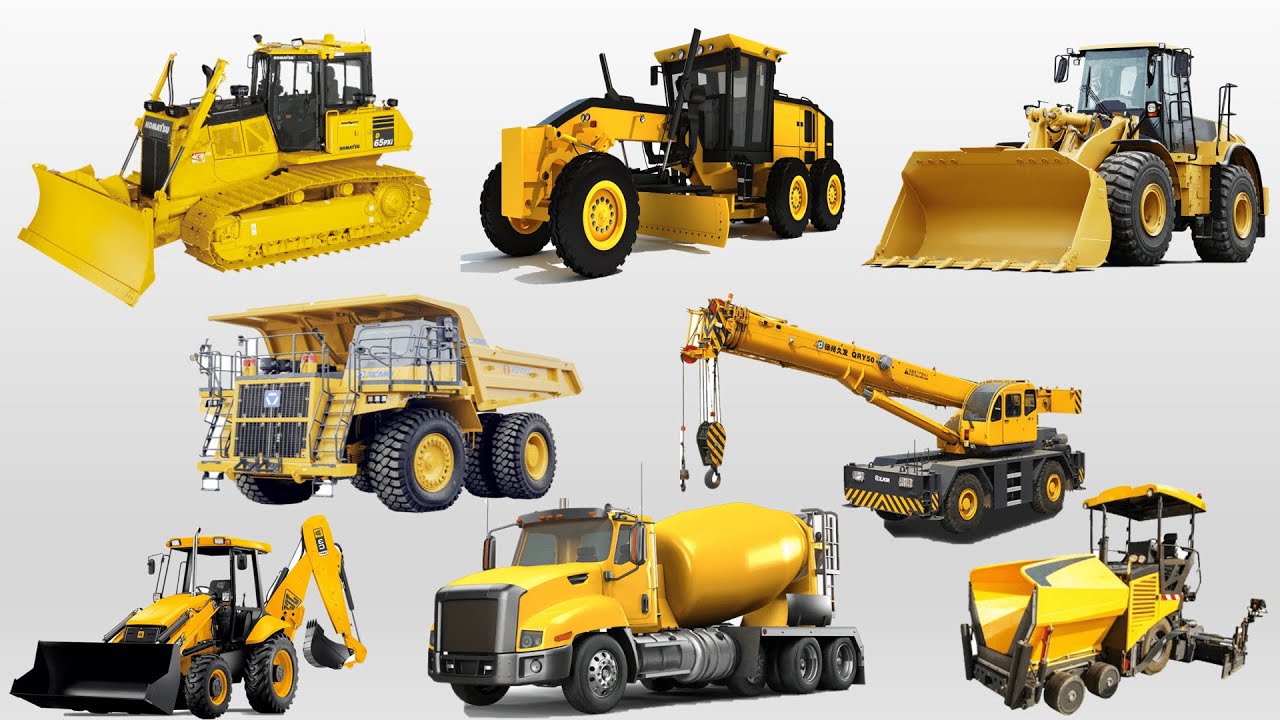
An excavator hydraulic cylinder controls the boom, arm, and bucket. These cylinders must withstand extreme pressure, shock loads, and constant cycling.
Key requirements:
A loader hydraulic cylinder powers lifting arms and bucket tilt mechanisms. These cylinders must handle repetitive loading cycles and high side loads.
A bulldozer hydraulic cylinder controls blade lift and tilt functions. Strength and impact resistance are essential for moving dense materials.
A crane hydraulic cylinder must deliver smooth extension and positioning for safe lifting. Stability and safety margins are top priorities.
A hydraulic lift cylinder is commonly used in lifting platforms, dump bodies, and material handling equipment. Long stroke capability and safety valves are essential.
Hydraulic cylinders used in skid steers operate lifting arms and attachments. These machines demand compact cylinders with excellent maneuverability and fast response.
The cylinder barrel and piston form the pressure chamber. The piston divides the cylinder into two chambers, enabling controlled movement.
The piston rod is typically chrome-plated to resist corrosion and wear.
High quality seals prevent leakage, maintain pressure, and extend service life. Seal failure is one of the most common causes of downtime.
Formula (featured snippet ready):
Hydraulic Force = Pressure × Piston Area
Example:
If pressure = 250 bar and piston area = 50 cm²
Force = 125,000 N
This explains why hydraulic systems can move massive loads with relatively compact components.
Proper hydraulic cylinder maintenance reduces downtime and extends lifespan.
Regular maintenance prevents costly repairs and unexpected equipment failure.
| Problem | Possible Cause | Solution |
|---|---|---|
| Oil leakage | Seal wear | Replace seals |
| Slow movement | Low pressure | Check pump/system |
| Cylinder drift | Internal leakage | Rebuild cylinder |
| Rod scoring | Contamination | Improve filtration |
Selecting the right hydraulic cylinder manufacturers directly affects equipment reliability and safety.
A strong supplier provides design support, testing, and consistent quality.
Industry trends include:
These developments aim to reduce downtime and improve machine productivity.
Hydraulic cylinders provide linear force to move machine components such as booms, arms, blades, and lifting platforms.
Welded cylinders are widely used due to their compact design and high strength.
With proper maintenance, hydraulic cylinders can operate for thousands of hours before requiring major service.
Common causes include seal wear, contamination, overloading, and poor maintenance.
Consider load requirements, pressure rating, stroke length, mounting style, and supplier reliability.
Inspection should be performed regularly, with preventive maintenance scheduled based on operating hours and working conditions.
Hydraulic cylinders convert fluid pressure into powerful linear motion that enables machines to lift, push, and pull heavy materials safely. Understanding cylinder types, applications, and maintenance helps equipment owners improve reliability and reduce operating costs.